Importance of muscle memory in soccer
There is not a person on this planet who can say they became great in sports without practicing it the right way. To improve your muscle memory in soccer it’s takes time and attention. This is usually difficult because of the large numbers of kids on a team. Some people need to practice more and some people get it down really quick. I know some people who are super coordinated, but not fast or explosive. Then you have some who are fast and explosive, but clumsy at the same time. Either way with detailed training anyone will improve. That’s why private lessons help so much is because players can get more reps the right way with 100% on doing the skills correct. Note: This post contains some affiliate links for your convenience. Click here to read my full disclosure policy.
Best ways to improve muscle memory
Doing the motions slow and trying to do them perfect will improve muscle memory in soccer.
The key is getting it done the right way, so when learning things that are not natural you want to learn it the easiest way possible.
Once you’ve gotten the muscle memory soaked up with proper form, practice by going faster.
Example: if we are working on the chest trap or heading, you want to have your arms and hands out away from your body. This doesn’t just happen overnight. It’s hard enough trying to control a ball coming at your face. So it’s not like a player is thinking about where their arms are.
Depending on the skill or person depends on if it takes 1 day or 1 month to get right. Doing the right thing over and over is the best way to develop muscle memory in soccer players.

Your muscle memory learns fast
Take advantage by learning muscle memory in soccer the right way.
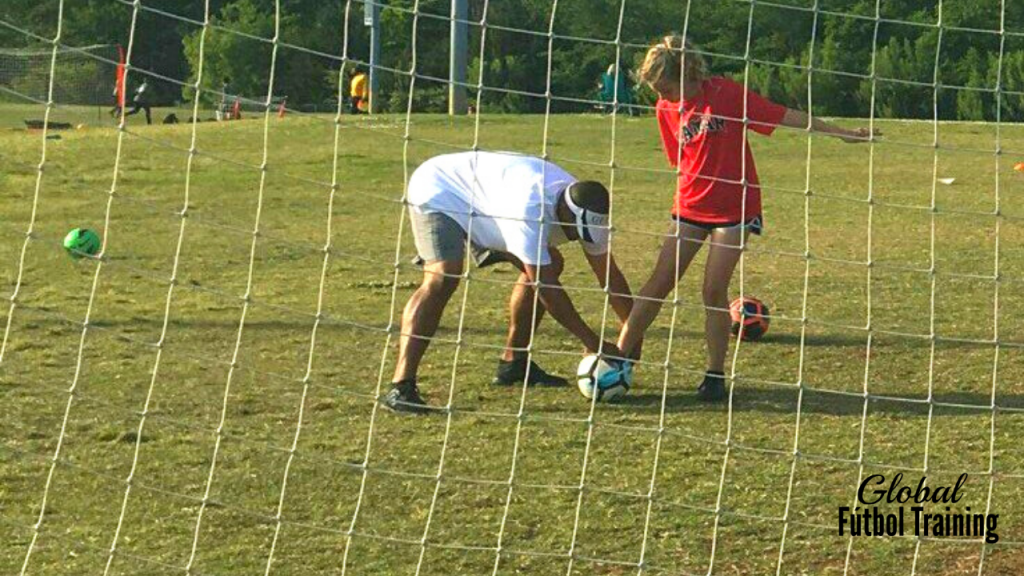
It really is amazing how fast the muscles can learn, for example if teaching the inside of the foot, I will grab their foot with my hand. Make it follow through the right way just 4-6 times. This alone will help the muscles remember the right way. Then as you pass them the ball you will see instant improvement. It’s almost like watching magic. And no I don’t believe in magic ha-ha. But when you learn and teach the right skills at the right time, it’s cool to watch the quick improvement.
Private soccer trainer can help correct your form
Having a good private coach or trainer helps your game. They can [should] tell you exactly when you are doing something right or wrong, and how to fix it.
When controlling with your chest or head, your hands and wrist should be the widest part. Most players keep their arms too far inside, which will allow opponents to win the ball.
You also want your arms/hands out to protect yourself from other players challenging for the ball. Check out this video – 20 ways to head the ball.
Ball striking with the laces is one of the hardest thing for players to become good at. Even when players are good, there’s still room to improve.
Video below shows a player I’ve worked with for years. She’s a D1 college soccer player at the University of Texas Longhorns. See how we work with her weak foot during the off-season. Notice how she corrects her initial mistakes by not connecting at the middle of the ball.
Even if the coach is really good, it’s hard for them to correct certain skills.
Ball striking takes the longest because there are so many details that come with it.
Learning muscle memory in soccer
You could argue that certain athletes will be great no matter what. And it’s true for some sports like American football. I love American football, but you don’t really have to practice skills stuff. Some of the positions you can be good as long as you are fast or strong.
Regardless, in every sport you do have to learn form if you want to be your very best. Muscle memory in soccer is not addressed much. I know because I teach many kids who play for the best clubs, with top coaches, but there are still some important things they never learn.
Other sports like tennis or lacrosse… Those are 2 sports you have to practice. Same with soccer. Most people can only get so far without practicing the right way.
What is proper form in soccer?
When passing straight ahead with the inside of the foot, the toes should be up. When passing or shooting with the top/laces, then the toes should be pointed down. The same with trapping the ball with the inside, toes should be up. This gives you a bigger target to stop the ball. In most situations controlling or passing you should have your knees bent a little.
Find out what feels and looks best for you by experimenting a bit. You can even set up a drill filming it with your phone and see what you look like. Then notice how pro players receive and pass and try to mimic their form.

Younger players age breakdown
Ages 4-5 is a time that I don’t worry about when it comes to mechanics or the muscle memory in soccer. You can teach them dribbling skills and correct form, but don’t worry about correcting shooting or passing form at this age. It can be discouraging at this age, because they are not at the age where they can really get it down good. Coordination is really good for younger ages from 4- all the way up to 10. Here are some free tips to work on coordination/motor skills.
Ages 6-8 is the age where you can really get ahead! Not to say you need to get in private lessons at this age, but if you do they will improve. The thing is, do you know if this age kid will continue to like soccer later on in life? But I do recommend you get at least a few months of outside club training. Or if you don’t have a good private soccer trainer, then get my online courses to help ball control. Guaranteed to make you or your child better!
By ages 9-10 I recommend everyone get extra skills training outside of club practice. And don’t think that your club offering their little “skills training” is good enough. You need to get training from someone who teaches soccer skills for a living. Soccer trainers are different from soccer coaches. Full time skills trainers have more experience developing different age kids.
Middle school players ages 11-13
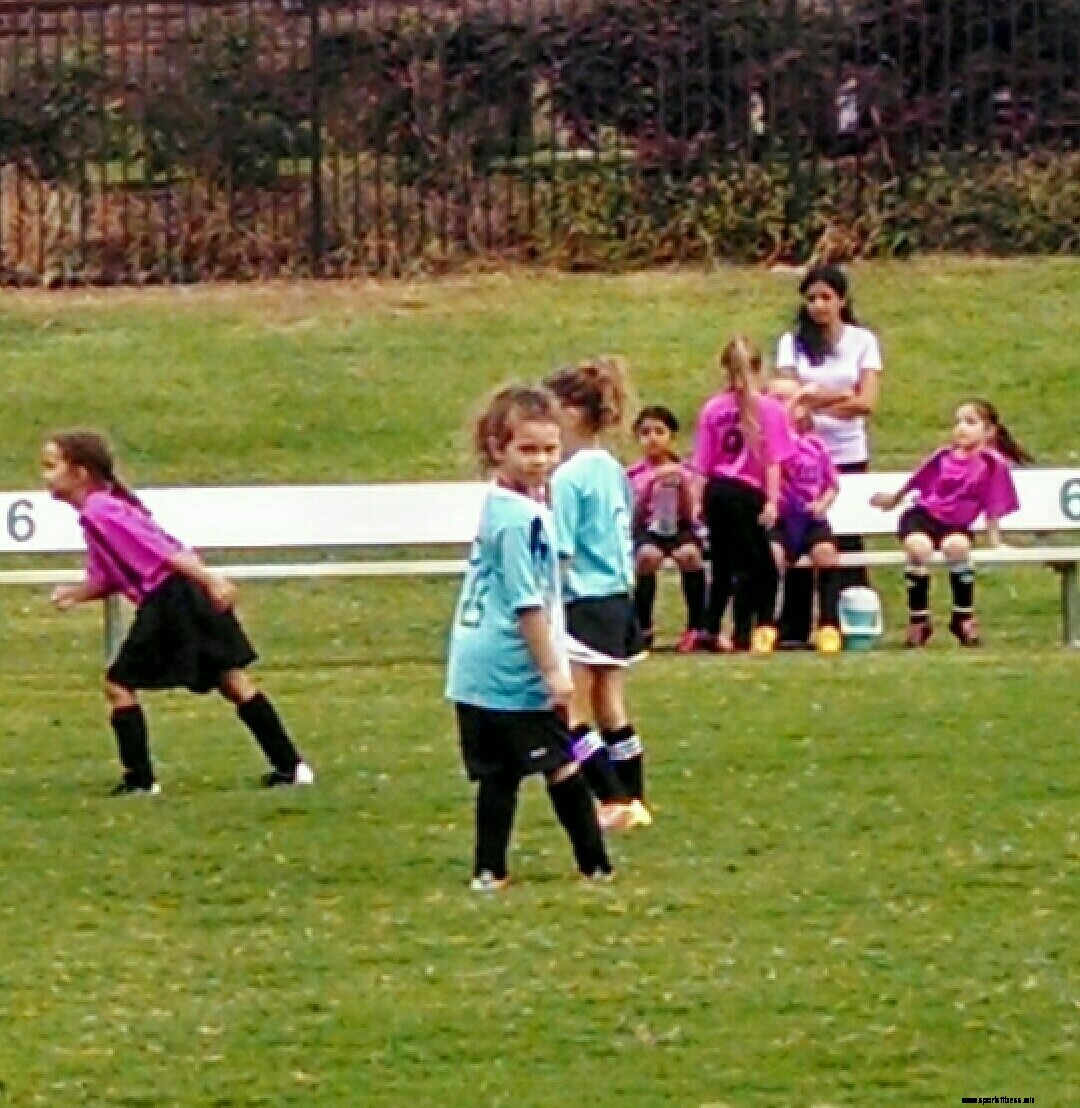
Middle school ages 11-13 is such an important time because it’s those few years before high school soccer. At this age the players can see where they are vs others who are technically ahead. This is when they need adults reminding them and telling them stories of how we all develop at different stages. You don’t have to be the best, just keep working on your technique and you’ll be prepared for high school or college.
High school soccer ages 14-18
By age 14+ if you learn the right skills you will be set by age 14. Doesn’t mean you don’t keep training as a teenager, but you want to have your fundamentals down. At this age muscle memory in soccer will increase fast and be retained if you do it over and over.
This older age of players have a harder time learning skills for a few reasons. One being they feel more uncomfortable, because in their mind it’s embarrassing when they can’t do something right away. They think that they should already know how to perform the skills. So this is a mental game at this point.
Regardless the age, make sure you know it’s okay to mess up. For kids who get heavy skills training at a young age does make it easier for them to learn new things.
How players learn dribbling skills fast
Dribbling skills develop faster than passing and shooting. Controlling the ball with your feet to dribble doesn’t have to be perfect.
Some players have ugly skills, but great control. But you do want to know the right form when kicking the ball, because that matters.
If you want the secret recipe, I highly recommend my online ball control courses to instantly help with your dribbling and first touch.
You have to keep teaching muscle memory in soccer
A big soccer problem in America as well as Europe are the younger players ages 15-25 think they are so great. So they don’t work as hard on improving their game like the older generation. This is the truth! If your feelings are hurt then either you work hard, or you need to start. You just won’t see to many of the best athletes at any sport saying they don’t need to keep practicing.
I remember one of the times when Messi won FIFA Player of the Year with the most humble response. He was asked “So now what’s next Messi?” His reply in Spanish was “I need to keep getting better.” But then we have 15 year old kids who might not even be good enough for college saying how easy the skills are. That’s both an attitude, maturity and educational thing.
Players need to understand that you have to mentally become a machine, in how you practice. So much is about wanting to do the simple things perfect. Then knowing you can’t be perfect, but that you try.

 sports