Rehabilitation from Swimming Injuries or Ailments
In this article, we will share insights and tips for the best ways to help in the rehabilitation from a variety of swimming injuries or ailments
- For competitive swimmers, being injured or ill can be extremely frustrating, especially if it inhibits or prevents you from training or competing.
- Swimmers can worry about the time being lost and as a result may try to return to training too quickly, which could result in a repeat of their condition.
- Swimmers who have been injured or ill before and have experienced any length of time away from the pool, may try to hide their condition and continue to swim.
- This often results in the swimmer taking longer to rehabilitate, than if they had stopped swimming when the injury or illness first occurred.
The road to swimming rehabilitation
The swimming rehabilitation process is both physical and psychological and can be either long or short-term.
Listed below are the steps you could follow to aid your recovery.
Admit to yourself that you are either injured or ill:
Swimmers should listen to their body, if they are in pain, feel weak or unwell they should stop swimming, as to continue could make their condition a whole lot worse.
Ascertain the severity of your injury or illness
The swimmer should first asses the severity of their injury of illness by self-diagnosis.
- Then they should discuss the condition with their parents and/or coach.

Seek medical help
If the swimmer is in any doubt about their condition, consult either their doctor or sports physiotherapist.
Formulate a swimming rehabilitation plan:
If the swimmer has a long-term injury or illness, they should consult with either their coach, doctor, physiotherapist or parents.
- Together they should formulate a swimming rehabilitation plan to outline the road back to recovery.
- This can be a flexible plan, detailing the type of rehabilitation exercises to be employed, the volume of these exercises and a time frame.
Dryland rehabilitation
May swimmers can find dryland rehabilitation exercises dull, boring and monotonous.
- However, it’s important that they are completed, as they are a key part of the recovery process.
- To reduce the chance of repeating the injury, the swimmer should ensure they increase your rehabilitation exercises slowly and gradually.
- They shouldn’t perform more exercises than recommended.
Resetting swimming goals or set some mini-goals
Having a long-term injury or illness can often result in the reappraisal of the swimmer’s goals.
This should be as a result of a discussion with their coach.
- Maybe their goals need to be adjusted or maybe it’s an opportunity to set some short-term goals to help you with their rehabilitation?
We have produced a related article, on the benefits of setting swimming goals. Which you can view by clicking this link: Swimming goals
Training opportunities while injured
In consultation with their coach, it may be possible while injured for the swimmer to be able to perform some form of training.
- For example, a swimmer with a shoulder injury may use it as an opportunity to improve their leg kick.
- A swimmer with a leg or knee injury may use it as an opportunity to improve their core strength, flexibility or upper body strength.
Psychological rehabilitation
The rehabilitation process for most swimmers is a psychological as well as a physical process
- The swimmer should stay positive, focused and motivated.
- They should try to keep your injury or illness in perspective.
- Formulating a recovery plan, performing your rehabilitation exercises, resetting your goals and finding opportunities to continue training can all help with your psychological rehabilitation.

Try using visualization to help in your psychological swimming rehabilitation
Research has shown that the human brain cannot tell the difference between imagined or real experiences.
- Visualisation is mental imagery, mental rehearsal and meditation techniques.
- They are used by most of the world’s top swimmers, to condition their brain to help them perform better in training and competition.
- However, many swimmers are now using visualization techniques to help them recover from injury or illness.
- By visualizing the injury or illness getting better, the swimmer can feel more relaxed, confident and in control of the healing process.
We have produced a related article, on swimming visualisation. Which you can view by clicking this link: Swimming visualisation
Preventing reoccurrence
Once the swimmer has recovered, they may wish to consult your coach, doctor or physiotherapist, about preventative measures they can take to stop the injury or illness from reoccurring.
Don’t resume training too soon
It’s important that the swimmer doesn’t to come back to the pool too soon.
- They should ensure that their injury or illness has been completely cured before recommencing training.
- This is a practical precaution to prevent the injury or illness from reoccurring.
Come back gradually
Once they are back training, it may take a while to get back to the level of fitness you were before you were ill or injured.
- The swimmer may need to very slowly increase the number of training sessions they attend.
- They should focus on their technique and re-establishing their feel of the water, before concerning yourself with increasing the intensity.
- They should ensure that they don’t push yourself too hard, take all practical precautions to prevent the injury or illness from reoccurring.
Swimming injuries and ailments
Although competitive swimming is a non-contact sport, which encourages a fit and healthy lifestyle, swimmers do from time to time, ‘pick-up’ certain ailments or injuries.
For junior swimmers, parents are ultimately responsible for evaluating the severity of their child’s condition.
- If in their opinion their condition, may prevent their child from attending two or more consecutive sessions, it is courteous for them to promptly inform either the child’s coach or the appointed club contact.
- If a parent is some doubt whether their child should attend training or competition, then they may wish to either leave the decision to their child or they may wish to discuss the situation with their child’s coach at the pool before training, so a suitable course of action can be agreed or they may prefer to consult their doctor.
Asthma
Most asthma sufferers have mild cases, where a puff or two on their asthma pump will alleviate their symptoms, allowing them to continue training or competing.
- Some children are susceptible to heavier attacks and must make their coach aware as soon as such an attack is imminent or is happening.
- For some swimmers, exercise induces their asthma. In most cases, this is only a mild attack, easily cured by the use of their asthma pump.
- All swimmers must ensure they have their asthma pump with them at all times on the poolside/deck when training or competing.
Athlete’s Foot
Athlete’s Foot is a fungus which loves the warm and wet places found between poorly dried children’s toes.
- This can be easily treated by some powdered/ointment from the local pharmacy/drug store.
Back Pain
Some swimmers suffer from back pain, which usually occurs in the lower back.
We have produced a related article on swimming back pain. Which you can view by clicking this link: swimming back pain
Breaststroker’s Knee

This is a ‘generic’ term referring to any type of knee joint problem.
- These problems can range from a little bit of stiffness due to poor warming up, to major joint wear.
We have produced a related article on breaststroker’s knee. Which you can view by clicking this link: breaststroker’s knee
Burnout/Fatigue
Parents and coaches need to watch for signs of swimmer fatigue.
- This can happen when a swimmer is experiencing a number of the following: training hard, working hard at school, not getting enough sleep, not eating and/or not drinking enough and is not getting enough rest, recovery and relaxation.
Common Cold
A swimmer should be able to continue swimming while they have a cold as it is beneficial in some cases.
- The warm moist air found inside indoor pools helps in lubricating the nasal passages to help loosen stubborn mucus.
- However, it is wise for the swimmer to reduce their overall intensity and length of time they spend swimming.
- Sometimes swimming makes some swimmer’s cold worse.
Cramps

Cramps are a common ailment in competitive swimming.
- A cramp can occur in the feet, legs and/or stomach, and is a result of not enough oxygen getting to the muscle during exertion, which becomes inhibited by lactic acid, resulting in cramp.
- There are a number of contributory factors such as poor hydration and nutrition, no/poor dry land and water-based warm-ups and fatigue.
- Cramp occurs mostly when the pool temperature is a little on the cool side. Remedies include stretching or a warm shower.
- Ensure the affected areas are usually doused in water to warm the muscles and increase blood flow.
We have produced a related article on swimming muscle cramps. Which you can view by clicking this link: swimming muscle cramps
Cuts
Minor cuts old or new can be covered in petroleum jelly which should keep it germ-free and waterproof.
- The swimmer can use waterproof plasters if they prefer.
Ear Infection (Swimmer’s Ear)
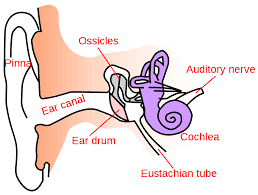
Ear Infections (sometimes referred to as swimmer’s ear) is a fungus which thrives in warm and wet places, mostly in the outer ear canal.
- This can be treated by some powder/ointment from the local pharmacy.
- To prevent this reoccurring the swimmer should dry their ear canals thoroughly.
- Wearing a swimming hat/cap and/or earplugs also decreases the chance of getting ear infections.
We have produced a related article on swimmer’s ear. Which you can view by clicking this link: swimmer’s ear
Headache
Swimming pools are generally hot and dry places, where headaches are common.
- The most common reason for headaches is that swimmers do not drink enough and are starting to become or are dehydrated.
- The next most common reason is poor nutrition.
- They simply have not eaten the right nutrition at the right time.
- The other common reason is either tight-fitting goggles or swimming hat/cap.
- If, however, your child’s headache has started before swimming then it’s your responsibility to gauge how bad it is, and whether or not it’s bad enough to miss training or competition.
Muscle Stiffness
Muscle stiffness can occur in swimmers for several reasons.
- The main reasons being training hard and/or not warming down correctly.
- A series of stretching, a warm bath or shower and a low-intensity swim should alleviate most of the stiffness.
Neck Pain
Neck pain can often be accompanied by shoulder and back pain.
We have produced a related article on swimming neck pain. Which you can view by clicking this link: swimming neck pain
Periods
Modern feminine toiletry products make periods much easier to deal with and should not stop a swimmer training.
- Many swimmers use a pair of drag pants for extra privacy.
Skin Rashes
Sometimes swimmers experience skin rashes for a variety of reasons, the main reasons being, a heat rash or an allergic reaction.
- Most rashes shouldn’t stop swimmers training unless it is a major embarrassment to your child.
- If in doubt the swimmer should consult their doctor.
We have produced a related article on swimming in chlorinated pools. Which you can view by clicking this link: swimming in chlorinated pools.
Stitch
Stitch is a pain usually found on the right-hand side of the swimmer, caused by organs moving up and down during exercise and developing a cramp within the diaphragm.
- This is easily cured by stopping exercising until the pain ceases.
Swimmer’s Shoulder

This is a ‘generic’ term referring to any type of shoulder joint problem.
- These problems can range from a little bit of stiffness, due to poor warming up, to major joint wear.
- Again, an early discussion between the swimmer and the coach to discuss the severity of the condition is very important.
We have produced a related article on swimmer’s shoulder: an introduction. Which you can view by clicking this link: swimmer’s shoulder
Throat Sore/Infection
Children can go swimming while they have a sore throat as it is beneficial in some cases.
- The warm moist air found inside indoor pools helps in lubricating the throat to help alleviate the soreness.
- However, it is wise to reduce their overall intensity and length of time they spend swimming.
- Sometimes swimming makes some people’s sore throat worse.
Verruca
Verrucas are warts with calluses, and they love the warm and wet conditions that are found in many swimming pools.
- Young children are more at risk of being infected by the verruca virus as their feet are softer than older children.
- Many children as they mature develop a resistance to the verruca virus.
- Although these can be painful, modern-day thinking is that the verruca virus is so widespread with children, a verruca shouldn’t need special treatment.
- The most effective treatment is to let your child build up their own immune system.
- Cover the verruca with waterproof plasters and they can continue swimming. If in doubt consult your doctor.
Takeaway
Having a long-term injury or illness can be very frustrating for a competitive swimmer.
- They may start to worry about missing too much training and rush themselves back to training too soon.
- This increases the risk of injury or illness reoccurring.
- It’s important that they take a planned approach to their rehabilitation in consultation with their coach and if necessary, the relevant medical professionals.
Swimming resource library
We have provided a swimming resource library, containing links to all of our publications and blog articles. To access any article simply click on the attached page link: Swimming resource library
The Competitive Swimming Exchange – Facebook Group
The Competitive Swimming Exchange is a Facebook group to help exchange ideas and information to collectively improve the sport we love.
- It’s an international group for all swimmers, coaches, teachers, masters, triathletes and swimming parents.
- In fact, it’s for all those who are interested in competitive swimming, either in the pool or in open water.
 sports